ألفية، منصة الإنسانيات العربية : التفكير والترجمة و النقاش
Alfia, the platform for Arabic Humanities: thinking, translating, debating
Alfia, la plateforme des Humanités arabes : penser, traduire, débattre
الأدب
Literature
Littérature
العلوم السياسية والاقتصادية
Political and Economical Sciences
Sciences politiques et économiques
علم الاجتماع
Sociology
Sociologie
الفلسفة
Philosophy
Philosophie
التاريخ
History
Histoire
Menu التخصصات
Disciplines
Les réviseurs
المراجعون/ات
Reviewers
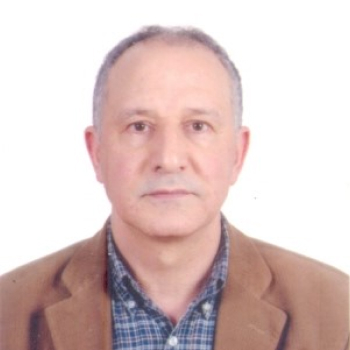
صلاح الدين الكافي
Sleheddine Kefi
ترجمة من العربية إلى الإنجليزية
Arabic to English translation
Traduction de l’arabe à l’anglais
Sleheddine Kefi est un ancien professeur d’anglais à l’Université de Tunis et traducteur freelance expérimenté, parfaitement trilingue en arabe, anglais et français. Fort de plus de 30 ans d’expérience dans l’enseignement de l’anglais et la traduction dans ces trois langues, il a su gagner la confiance de nombreuses institutions nationales et internationales de renom.
Parmi les organisations avec lesquelles il a collaboré (ou continue de collaborer) figurent l’Institut de Traduction de Tunis, l’Union européenne, l’ASBU (Union des radiodiffusions des États arabes), l’UPCI (Union parlementaire des États membres de l’OCI) ainsi que l’OTAN.
Pour lui, la traduction est bien plus qu’un métier : c’est un véritable voyage à travers le temps et les cultures, une passerelle entre les mondes. Elle constitue aussi un exercice intellectuel exigeant, stimulant et enrichissant.
Il a participé à divers projets de traduction et de révision, notamment celui de l’Encyclopédie de l’Islam pour le compte de l’Institut de Traduction de Tunis.
En dehors de son activité professionnelle, Sleheddine Kefi est un passionné de lecture et de peinture.
صلاح الدين الكافي هو أستاذ لغة إنجليزية سابق في جامعة تونس ومترجم مستقل متمرس، يتقن اللغات العربية والإنجليزية والفرنسية. بفضل خبرته التي تزيد على 30 عامًا في تدريس اللغة الإنجليزية والترجمة في هذه اللغات الثلاث، نجح في كسب ثقة العديد من المؤسسات الوطنية والدولية المرموقة.
ومن بين المنظمات التي تعاون معها (أو لا يزال يتعاون معها) معهد تونس للترجمة، والاتحاد الأوروبي، واتحاد إذاعات الدول العربية (ASBU)، واتحاد مجالس الدول الأعضاء في منظمة التعاون الإسلامي (UPCI)، وحلف شمال الأطلسي (NATO).
بالنسبة له، الترجمة أكثر من مجرد مهنة: إنها رحلة حقيقية عبر الزمن والثقافات، وجسر بين العوالم. كما أنها تمثل تمرينًا فكريًا متطلبًا ومحفزًا ومثريًا.
شارك في العديد من مشاريع الترجمة والمراجعة، بما في ذلك موسوعة الإسلام لصالح معهد تونس للترجمة.
بالإضافة إلى نشاطه المهني، صلاح الدين الكافي شغوف بالقراءة والرسم.
Sleheddine Kefi is a former English professor at the University of Tunis and an experienced freelance translator who is fluent in Arabic, English and French. With over 30 years of experience teaching English and translating in these three languages, he has earned the trust of many renowned national and international institutions.
Among the organisations with which he has collaborated (or continues to collaborate) are the Tunis Translation Institute, the European Union, the ASBU (Arab States Broadcasting Union), the PUIC (Parliamentary Union of OIC Member States) and NATO.
For him, translation is much more than a job: it is a journey through time and cultures, a bridge between worlds. It is also a demanding, stimulating and enriching intellectual exercise.
He has participated in various translation and revision projects, notably the Encyclopaedia of Islam for the Tunis Translation Institute.
Outside of his professional life, Sleheddine Kefi is passionate about reading and painting.

أشرف باهي
Ashraf Bahi
ترجمة من العربية إلى الإنجليزية
Arabic to English translation
Traduction de l’arabe à l’anglais
Ashraf Bahi est professeur associé de sociologie à l’Université américaine du Caire (AUC). Il est titulaire d’un master en sociologie et anthropologie (SOAN) de l’AUC. Ses recherches associent la psychanalyse et l’anthropologie historique en s’intéressent à la manière dont les individus font usage, vivent, comprennent et se rapportent au passé, ainsi qu’à sa présence constante dans la vie quotidienne.
باهي أشرف محاضر غير متفرغ في قسم علم الاجتماع بالجامعة الأمريكية في القاهرة. حصل باهي علي الماجستير في علم الاجتماع والأنثروبولوجيا (SOAN) بالجامعة الأمريكية بالقاهرة. تجمع اهتماماته البحثية بين التحليل النفسي والأنثروبولوجيا التاريخية من حيث يستكشف عملة الطرق التي يستخدم بها الناس الماضي في محاولاتهم للتعايش معه وفهمه تواجده في الحياة اليومية.
Ashraf Bahi is an adjunct professor of Sociology in the American University in Cairo (AUC). Bahi is a graduate of AUC’s Sociology-Anthropology (SOAN) MA program. His research interests combine psychoanalysis and historical anthropology as they pertain to the ways in which people make use of, live with, understand, and relate to the past and its continual insistence in everyday life.
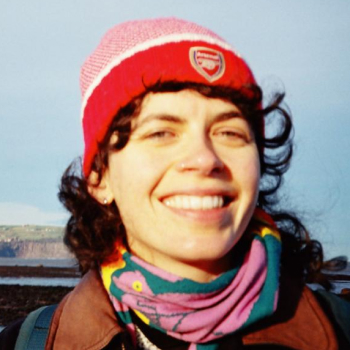
إيسلا باترسون
Isla Paterson
ترجمة من العربية إلى الإنجليزية
Arabic to English translation
Traduction de l’arabe à l’anglais
Après avoir soutenu son doctorat en littératures françaises à l’Université de Leeds, au Royaume-Uni, Isla Paterson a mené des recherches à la croisée des études de littératures françaises et francophones et de la sociologie de la littérature. Pendant son doctorat, elle a enseigné à la School of Languages, Cultures and Societies et publié des articles dans l’International Journal of Francophone Studies et dans la Revue des Sciences Humaines. Elle a passé trois mois chez En toutes lettres en 2022, où elle a traduit des extraits d’ouvrages du français vers l’anglais. Elle a travaillé pour Bradford 2025 UK City of Culture, où elle a mené des recherches et évalué l’engagement des communautés et l’accessibilité de la culture dans la ville.
بعد حصولها على درجة الدكتوراه في اللغة الفرنسية من جامعة ليدز بالمملكة المتحدة، تتمحور أبحاث إيسلا باترسون حول الدراسات الفرنسية والفرنكوفونية وعلم اجتماع الأدب. خلال دراستها للدكتوراه، قامت بتدريس مجموعة من المقررات في كلية اللغات والثقافات والمجتمعات، ونشرت مقالات في المجلة الدولية للدراسات الفرنكوفونية ومجلة العلوم الإنسانية. إضافة إلى ذلك، أمضت ثلاثة أشهر مع En Toutes Lettres في عام 2022 في ترجمة عينات من العناوين من الفرنسية إلى الإنجليزية. عملت مع برادفورد 2025 مدينة الثقافة البريطانية، حيث قامت بالبحث والتقيّم المشاركة المجتمعية وإتاحة الوصول إلى الثقافة في المدينة.
Having completed a PhD in French at the University of Leeds, UK, Isla Paterson’s research background lies at the intersection of French and Francophone studies and the sociology of literature. During her PhD, she taught on a range of modules in the School of Languages, Cultures and Societies, and published articles in the International Journal of Francophone Studies and the Revue des Sciences Humaines. In addition, she spent three months with En Toutes Lettres in 2022 translating samples of titles from French to English. She completed a placement at Bradford 2025 UK City of Culture, researching and evaluating community engagement and accessible culture in the city.
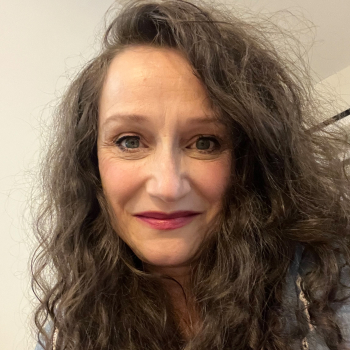
روث ماس
Ruth Mas
ترجمة من العربية إلى الإنجليزية
Arabic to English translation
Traduction de l’arabe à l’anglais
Ruth Mas est espagnole et montréalaise, et vit actuellement à New York. Membre de longue date du comité de rédaction de ReOrient, elle a été enseignante, professeure invitée et chercheuse au Canada, en Angleterre, en Allemagne et aux États-Unis. Fondamentalement préoccupé par les conditions rhétoriques et discursives de la violence et du pouvoir (impériaux, coloniaux et étatiques), son travail se situe à la croisée de la critique/théorie critique, de la théologie politique et de la tradition de la pensée islamique. Ruth Mas insiste sur la nécessité de trouver une position de liberté politique pour l’étude critique de la tradition islamique et analyse la signification du concept de critique et le défi que l’étude de la tradition islamique pose au fonctionnement discriminatoire de la critique occidentale. Son dernier ouvrage, intitulé What is the Epistemology of a Genocide? (Quelle est l’épistémologie d’un génocide ?), marque un tournant vers les questions critiques du discours, du pouvoir, de la subjectivité et de la vérité dans leur rapport au génocide du peuple palestinien.
روث ماس هي إسبانية من مونتريال تعيش حالياً في مدينة نيويورك، وعضو منذ فترة طويلة في هيئة تحرير مجلة ReOrient. شغلت مناصب تدريسية وزائرة وبحثية في كندا وإنجلترا وألمانيا والولايات المتحدة. تهتم بشكل أساسي بالظروف البلاغية والخطابية للعنف والسلطة (الإمبراطورية والاستعمارية والدولية)، وتقع أعمالها في تقاطع النقد/النظرية النقدية واللاهوت السياسي وتقليد الفكر الإسلامي. تصر على ضرورة إيجاد موقف من الحرية السياسية للدراسة النقدية للتقاليد الإسلامية، وتحلل أهمية مفهوم النقد والتحدي الذي تشكله دراسة التقاليد الإسلامية لعملية التمييز في النقد الغربي. أحدث أعمالها بعنوان ما هي إبستمولوجيا الإبادة الجماعية؟، ويمثل تحولًا نحو القضايا النقدية للخطاب والسلطة والذاتية والحقيقة من حيث صلتها بالإبادة الجماعية للشعب الفلسطيني.
Ruth Mas is a Spanish Montrealer currently living in New York City, and a long-time member of the editorial board of ReOrient. She has held teaching, visiting, and research positions across Canada, England, Germany, and the United States. Fundamentally concerned with the rhetorical and discursive conditions of (imperial, colonial and state) violence and power, her work is situated at the intersections of critique/critical theory, political theology, and the tradition of Islamic thought. Insisting on the need to locate a position of political freedom for the critical study of the Islamic tradition, she analyses the significance of the concept of critique and the challenge that the study of the Islamic tradition poses to the discriminating operation of Western criticism. Her most recent piece is entitled, “What is the Epistemology of a Genocide?”, and marks a turn towards the critical issues of discourse, power, subjectivity, and truth as they relate to the genocide of the Palestinian people.
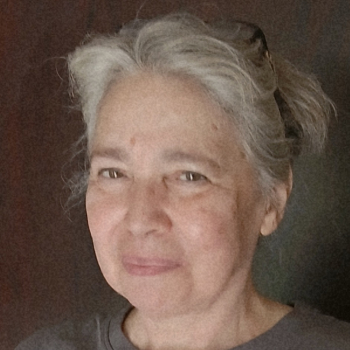
أمل عبد المولى
Amal Abdelmoula
ترجمة من العربية إلى الإنجليزية
Arabic to English translation
Traduction de l’arabe à l’anglais
Amal Abdelmoula est chercheuse en littérature anglaise moderne et contemporaine. Elle s’intéresse particulièrement aux textes narratifs de plus en plus produits dans les pays du Sud. Elle est également traductrice et éditrice de traductions, en particulier de l’arabe à l’anglais.
Elle travaille sur la rhétorique narrative et s’intéresse aux études interdisciplinaires des textes narratifs (adaptation d’œuvres littéraires en œuvres musicales, films et pièces de théâtre), ainsi qu’à la manière dont l’imaginaire populaire s’empare des personnages de fiction. Elle est enfin attentive aux lectures féministes du texte, en particulier aux lectures intersectionnelles et aux croisements entre classe sociale, race et genre dans les récits littéraires et populaires.
أمل عبد المولى أكاديمية وباحثة في الأدب الإنجليزي الحديث والمعاصر. تهتم بشكل خاص بالنصوص السردية، التي تُنتج بشكل متزايد في بلدان الجنوب العالمي. تعمل أيضًا كمترجمةً ومحررةً للنصوص المترجمة، وخاصةً تلك المترجمة من اللغة العربية الى الإنجليزية.
باحثة في خطابية السرد والقصص، وبالدراسات متعددة التخصصات للنصوص السردية (إعادة انتاج النص الأدبي في الأعمال الموسيقية، والأفلام، والمسرحيات)، وبكيفية تحول الشخصيات الروائية إلى ملكٍ للخيال الشعبي. تبحث ايضًا في القراءة النسوية للنص، وخاصةً في القراءة المتقاطعة حيث تتقاطع عدة عوامل مثل الطبقة الاجتماعية، والعرق، والجندر في السرديات (الأدبية والشعبية).
Amal Abdelmoula is an academic and researcher in modern and contemporary English literature, with a particular interest in narrative texts that are more and more being produced in the Global South. She also works as translator and editor of translated texts, especially translations into English.
She is interested in the stylistics of narratives and stories, in interdisciplinary studies of narrative texts (the adaptation of narratives into musical works, films and stage drama) and in how fictional characters becomes the property of popular imagination. She also works on feminist approaches to text and especially those that are intersectional: where class, race and gender intersect in literary and popular narratives.
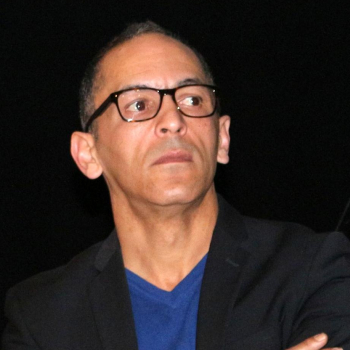
رشيد خالص
Rachid Khaless
ورشة التاريخ وعلم الاجتماع – History & Sociology Workshop – Atelier Histoire et Sociologie
ترجمة من العربية إلى الفرنسية
Arabic to French translation
Traduction de l’arabe au français
Rachid Khaless est agrégé de lettres françaises. Il enseigne à l’université Mohamed V de Rabat. Il est poète, romancier et traducteur, auteur de plusieurs recueils de poésie : Cantiques du désert (2004) et Dissidences (2009), parus chez L’Harmattan à Paris. Son 3e recueil, Dans le désir de durer paraît en 2014 à la Maison de la poésie au Maroc. Guerre totale (suivi de) Vols, l’éclat est publié par Virgule Éditions en 2018. Il obtient le Prix du Maroc du Livre en 2019. En 2020 paraît Et la soif grandit dans ta bouche, livre d’artiste en collaboration avec Moulay Youssef Elkahfaï. Il a aussi publié trois romans : Quand Adam a décidé de vivre (La Croisée des chemins, 2015), Pour qu’Allah aime Lou Lou (Marsam, 2015) et Absolut hob (Virgule Editions, 2016).
Il a traduit en français Un mal comme l’amour de Hassan Najmi (La Croisée des chemins, 2015), Poème de Tanger de Saâdi Youssef (Virgule Éditions, 2018), Parfois le poète de Saïd Kobrite, (Virgule Éditions, 2022) et Je souris à froid de Zhor Amhaouch, (Éditions Slaïki Frères, 2025).
رشيد خالص أستاذ الأدب الفرنسي. يدرّس في جامعة محمد الخامس في الرباط. هو شاعر وروائي ومترجم، ومؤلف عدة مجموعات شعرية (2004) Cantiques du désert : و (2009) Dissidences الصادرتين عن دار النشر L’Harmattan بباريس. صدرت مجموعته الثالثة Dans le désir de durer في 2014 عن بيت الشعر في المغرب. صدرت Guerre totale (suivi de) Vols, l’éclat عن دار الفاصلة للنشر في عام 2018. حصل على جائزة المغرب للكتاب في عام 2019. في عام 2020، صدر كتاب Et la soif grandit dans ta bouche، وهو كتاب فني بالتعاون مع مولاي يوسف الكهفاي. كما نشر ثلاث روايات (La Croisée des chemins, 2015) Quand Adam a décidé: de vivre ; Pour qu’Allah aime Lou Lou (Marsam, 2015) ; Absolut hob (Virgule éditions, 2016).
ترجم إلى الفرنسية أذى كالحب (Un mal comme l’amour, La Croisée des chemins, 2015) لحسن نجمي، قصيدة طنجة لسعدي يوسف Poème de Tanger) ، دار الفاصلة للنشر 2018(، لا أحب أحدا سوايلسعيد كوبريت Parfois le poète aime) دار الفاصلة للنشر، 2022) وأبتسم بفم بارد لزهور أمحاوش (, Je souris à froid الأخوان سلايكي2025 ).
Rachid Khaless is a professor of French literature. He teaches at Mohamed V University in Rabat. He is a poet, novelist and translator, and author of several collections of poetry: Cantiques du désert (2004) and Dissidences (2009), published by L’Harmattan in Paris. His third collection, Dans le désir de durer, was published in 2014 by The House of Poetry in Morocco. Guerre totale, suivi de Vols, l’éclat was published by Virgule Éditions in 2018. He won the Moroccan Book Prize in 2019. In 2020, Et la soif grandit dans ta bouche, an artist’s book in collaboration with Moulay Youssef Elkahfaï, was published. He has also published three novels: Quand Adam a décidé de vivre (La Croisée des chemins, 2015), Pour qu’Allah aime Lou Lou (Marsam, 2015) and Absolut hob (Virgule Editions, 2016).
He has translated into French Un mal comme l’amour by Hassan Najmi (La Croisée des chemins, 2015), Poème de Tanger by Saâdi Youssef (Virgule Éditions, 2018), Parfois le poète by Saïd Kobrite, (Virgule Éditions, 2022) and Je souris à froid by Zhor Amhaouch, (Slaïki Frères, 2025).
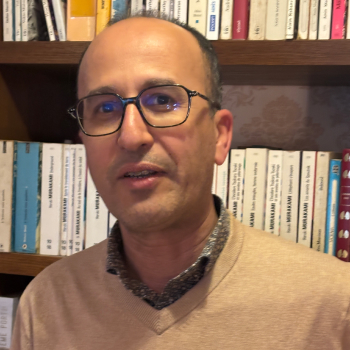
عصام الدين اتبر
Issam-Eddine Tbeur
ورشة الفلسفة والعلوم السياسية والاقتصادية – Philosophy & Political and Economical Sciences Workshop – Atelier Philosophie et Sciences politiques et économiques
ترجمة من العربية إلى الفرنسية
Arabic to French translation
Traduction de l’arabe au français
Issam-Eddine Tbeur est né à Casablanca en1972. Professeur agrégé de français, formateur à l’École Normale Supérieure de Rabat depuis 1997, il est chargé de cours de littérature générale, et de modules portant sur les méthodologies et les pratiques littéraires.
Il est l’auteur d’articles dans des revues et ouvrages collectifs dédiés à la recherche littéraire, dont « L’art du paradoxe », in Mohamed Leftah ou le bonheur des mots (sous la direction de Abdellah Baïda, Tarik Editions, 2009), « L’être du caché », in Expressions maghrébines (revue de la Coordination internationale des chercheurs sur les littératures du Maghreb, numéro spécial consacré à l’écrivain Edmond Amran El Maleh, 2010), « L’écriture comme une fiction », in Voix d’auteurs du Maroc (Marsam, 2016).
Il intervient également comme lecteur-correcteur auprès de maisons d’éditions au Maroc (En Toutes Lettres, Malika éditions, etc.)
Il a publié un recueil de nouvelles intitulé Rires et insignifiances à Casablanca (Virgule éditions, 2015) et un recueil de poésie intitulé Elle était une fois, (Virgule éditions, 2019). En 2023, Don Quichotte à Casablanca, réédition revue et augmentée de Rires et insignifiance à Casablanca est paru chez UGA éditions, Grenoble.
ولد عصام الدين اتبر في الدار البيضاء عام 1972. وهو أستاذ مبرز (اللغة الفرنسية) في المدرسة العليا للأستاذة بالرباط منذ عام 1997، ويقوم بتدريس مادة الأدب العام ومواد تتعلق بالمنهجيات والممارسات الأدبية.
وهو مؤلف مقالات في مجلات وكتب جماعية مخصصة للبحث الأدبي، منها ”فن التناقض“ في كتاب (Mohamed Leftah ou le bonheur des mots) محمد لفتاح أو سعادة الكلمات (تحت إشراف عبد الله بيضة، طبعة طارق، 2009)، ”L’être du caché“ (الوجود الخفي) في Expressions maghrébines مجلة التنسيق الدولي للباحثين في أدب المغرب العربي، (عدد خاص مخصص للكاتب إدموند عمارن المالح، 2010)، ”L’écriture comme une fiction“ (الكتابة كخيال) في Voix d’auteurs du Maroc أصوات مؤلفين مغاربة،Marsam 2016.
كما يعمل كمصحح لغوي لدى دور نشر في المغربEn Toutes Lettres) ،Malika éditions، إلخ.)
نشر مجموعة قصصية بعنوان Rires et insignifiances à Casablanca (ضحك وتفاهات في الدار البيضاء،Virgule éditions ، 2015) ومجموعة شعرية بعنوان Elle était une fois (ذات مرةVirgule éditions، 2019) .في عام 2023، صدر كتاب Don Quichotte à Casablanca وهو إعادة طباعة منقحة وموسعة لكتاب Rires et insignifiance à Casablanca عن دار نشرUGA éditions، غرونوبل.
Issam-Eddine Tbeur was born in Casablanca in 1972. An associate professor of French and lecturer at the École Normale Supérieure in Rabat since 1997, he teaches general literature and modules on literary methodologies and practices.
He is the author of articles in journals and collective works dedicated to literary research, including ‘L’art du paradoxe’ (The Art of Paradox), in Mohamed Leftah ou le bonheur des mots (Mohamed Leftah or the Joy of Words) (edited by Abdellah Baïda, Tarik Editions, 2009), ‘L’être du caché’ (The Hidden Being), in Expressions maghrébines (journal of the International Coordination of Researchers on Maghreb Literatures, special issue dedicated to the writer Edmond Amran El Maleh, 2010), ‘L’écriture comme une fiction’ (Writing as Fiction), in Voix d’auteurs du Maroc (Voices of Moroccan Authors) (Marsam, 2016).
He also works as a proofreader for publishing houses in Morocco (En Toutes Lettres, Malika éditions, etc.).
He published a collection of short stories entitled Rires et insignifiances à Casablanca (Laughter and Insignificance in Casablanca) (Virgule éditions, 2015) and a collection of poetry entitled Elle était une fois (Once Upon a Time) (Virgule éditions, 2019). In 2023, Don Quichotte à Casablanca, a revised and expanded reissue of Rires et insignifiance à Casablanca, was published by UGA éditions, Grenoble.